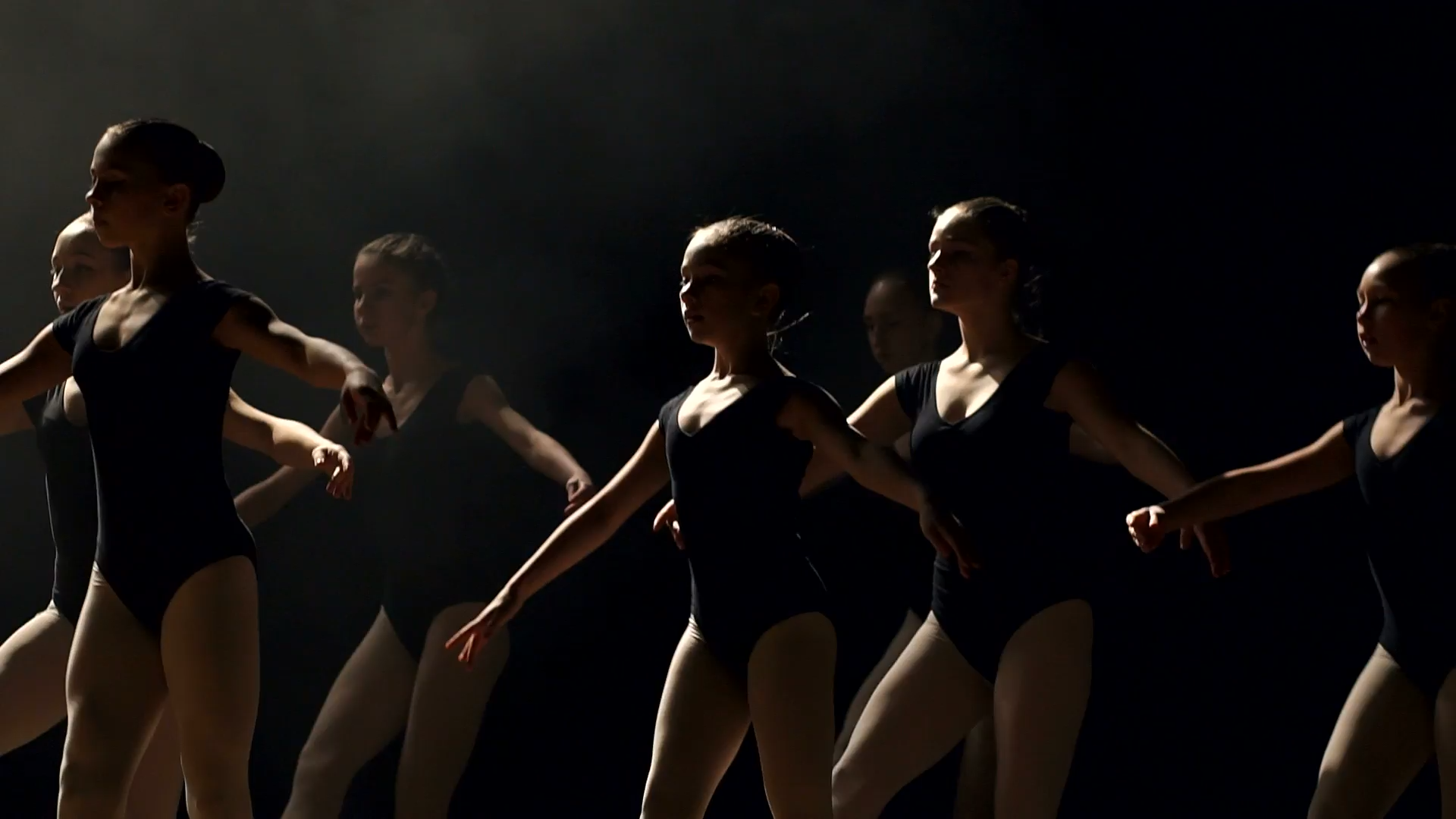
Ballet Schools in Ireland

Choosing the right ballet school is one of the most important decisions you’ll make in your or your child’s dance journey. Ireland is home to numerous excellent ballet schools, each with its own character, teaching philosophy, and approach to dance education. Whether you’re a parent searching for your child’s first dance experience or an adult looking to begin ballet, understanding what makes a quality ballet school will help you make an informed choice.

What Makes a Quality Ballet School?

Ballet schools vary widely in their approach, structure, and offerings. Understanding the key factors that contribute to quality dance education will help you evaluate your options and find a school that aligns with your goals and values.

Teacher Qualifications and Experience

The foundation of any excellent ballet school is its teaching staff. Quality ballet teachers in Ireland typically have substantial training themselves, often having completed professional dance careers or intensive teacher training programmes. Many Irish ballet teachers hold qualifications from recognised organisations such as the Royal Academy of Dance (RAD) or Imperial Society of Teachers of Dancing (ISTD).

However, qualifications alone don’t tell the whole story. The best ballet teachers combine technical knowledge with genuine passion for teaching, patience with students at all levels, and the ability to communicate complex physical concepts in accessible ways. They understand that different students learn differently and can adapt their teaching to suit individual needs.

Experience matters significantly in ballet teaching. Teachers who have trained and taught for many years develop an eye for detail that allows them to spot and correct technical issues before they become ingrained habits. They’ve also navigated countless student challenges and know how to help dancers work through difficulties, whether technical, physical, or psychological.

Teaching Philosophy and Approach

Ballet schools differ in their overall philosophy about dance education. Some schools focus primarily on technical excellence and examination preparation, whilst others emphasise creativity, enjoyment, and personal development alongside technique. Neither approach is inherently superior—the right choice depends on what you’re seeking from ballet.

Schools with a more traditional, examination-focused approach often follow structured syllabi from organisations like RAD or ISTD. These systems provide clear progression pathways, regular assessments, and internationally recognised qualifications. Students work towards specific goals, which many find motivating and satisfying.

Other schools take a less formalised approach, developing their own curricula based on classical ballet technique but without the structure of external examinations. These schools often emphasise artistic expression and individual development, allowing more flexibility in what and how students learn.

Most Irish ballet schools strike a balance, offering examination pathways for students who want them whilst also welcoming recreational students who simply love to dance without the pressure of assessments. This flexible approach reflects Irish cultural values around education and personal development.

Class Structure and Sizes

Class size significantly impacts learning quality. In smaller classes, teachers can provide individualised attention, offering specific corrections and ensuring each student develops proper technique. Larger classes can create wonderful energy and community but make personalised instruction more challenging.

Most quality Irish ballet schools maintain reasonable class sizes, typically ranging from 8-15 students depending on age and level. This allows teachers to know each student whilst still creating the group dynamic that makes ballet classes enjoyable.

The structure of classes should be age and level appropriate. Children’s ballet classes, particularly for younger ages, should balance structured learning with play and creativity. As students mature and advance, classes become more technically focused whilst still maintaining an enjoyable atmosphere.

Studio Facilities and Safety

Physical space matters in ballet education. Quality ballet schools provide studios with proper flooring (ideally sprung floors that reduce impact on joints), full-length mirrors for visual feedback, and barres at appropriate heights for different age groups. Good lighting and temperature control also contribute to a comfortable learning environment.

Safety should be paramount. Studios should be clean, well-maintained, and free from hazards. Teachers should be aware of safe teaching practices, particularly around progressing students to pointe work, which requires careful assessment of strength and technique to prevent injury.

Ballet Syllabi in Ireland

Many Irish ballet schools teach according to established syllabi, providing structured frameworks for progression and development.

RAD (Royal Academy of Dance)

The RAD is one of the most widely used ballet syllabi in Ireland. This UK-based organisation offers a comprehensive system from Pre-Primary (for very young children) through Vocational Graded examinations for advanced students. The RAD syllabus emphasises classical ballet technique whilst incorporating elements of free movement and character dance.

RAD examinations are taken by thousands of Irish students annually, with qualified examiners visiting Ireland regularly to conduct assessments. The structured nature of RAD appeals to students and parents who appreciate clear goals and external validation of progress.

ISTD (Imperial Society of Teachers of Dancing)

The ISTD provides another respected examination system used in Ireland. Similar to RAD in offering graded progression, ISTD has its own distinct approach to ballet pedagogy. Some schools and teachers prefer ISTD’s methodology, finding it aligns better with their teaching philosophy.

Other Approaches

Not all excellent ballet teaching follows external syllabi. Some Irish ballet schools develop their own curricula based on classical technique, giving teachers flexibility to adapt lessons to their students’ specific needs and interests. These schools may offer performance opportunities and assessments without the formal examination structure.

Finding Ballet Schools by City

Ballet school options vary significantly across Ireland, with each city offering its own unique opportunities.

Ballet Schools in Dublin

Dublin offers the widest selection of ballet schools in Ireland. The capital is home to historic institutions that have operated for decades, newer studios bringing innovative approaches, and everything in between.

Dublin ballet schools range from large organisations with multiple locations and teachers to intimate studios run by individual teachers. This variety means you can likely find a school that matches your specific preferences, whether you’re seeking a traditional, examination-focused programme or a more relaxed, recreational approach.

The concentration of ballet schools in Dublin also creates healthy competition that generally benefits students. Schools maintain high standards, invest in quality facilities, and work to create welcoming, student-centred environments that encourage loyalty.

When exploring Dublin ballet schools, consider location carefully. Dublin’s size means travel time can vary significantly, and finding a quality school near your home or work can make maintaining regular attendance much easier. The good news is that most Dublin neighbourhoods are within reasonable distance of at least one excellent ballet school.

For specific information about Dublin ballet education, including school options and what makes the city’s ballet scene unique, visit our comprehensive Dublin guide.

Ballet Schools in Cork

Cork has a strong tradition of ballet education, with established schools that have trained generations of dancers. Cork ballet schools are known for thoroughness and attention to technical detail, with many teachers having studied and danced professionally before returning to teach in Munster.

Cork schools serve not just the city but the surrounding region, with students travelling from towns throughout Cork county to access quality instruction. This regional role means Cork ballet schools often develop particularly strong communities, with families remaining connected to schools for years as children progress through levels.

Ballet Schools in Galway

Galway’s ballet schools reflect the city’s artistic character, often taking creative approaches to classical training. Galway has a vibrant arts community, and ballet schools benefit from existing in an environment that values creativity and cultural engagement.

The presence of university students in Galway has influenced the ballet scene, with schools offering excellent adult ballet programmes alongside traditional children’s classes. Galway ballet schools tend to be smaller and more intimate than those in larger cities, creating close-knit communities.

Ballet Schools in Limerick

Limerick maintains solid ballet education with schools that emphasise disciplined training and structured progression. Limerick ballet schools often follow established syllabi, providing clear pathways for students who want to pursue examinations and formal qualifications.

As a regional centre for the mid-west, Limerick ballet schools serve a wide geographic area. Teachers in Limerick often have long tenures at their schools, developing deep knowledge of their students and creating stability and continuity in training.

Ballet Schools in Belfast

Belfast offers excellent ballet education through several well-established schools. Northern Ireland’s ballet scene has its own distinct character, influenced by connections to both British and Irish dance traditions.

Belfast ballet schools are community cornerstones, with some institutions having operated for many decades. This longevity reflects both the quality of teaching and the loyalty of families who return generation after generation. Belfast schools offer comprehensive programmes from beginner children’s classes through advanced levels.

Ballet Schools in Derry

Derry demonstrates that quality ballet education doesn’t require metropolitan infrastructure. The city’s ballet schools have built strong reputations through dedicated teaching and genuine investment in their students’ development.

Derry ballet schools emphasise community and accessibility, creating welcoming environments where students from all backgrounds can discover ballet. Teachers in Derry often know their students very well, providing personalised attention that helps each dancer progress at their own pace.

What to Look for When Choosing a Ballet School

Beyond general quality indicators, specific considerations will help you choose the right ballet school for your particular circumstances.

For Children

When choosing a ballet school for your child, observe a class if possible before enrolling. Watch how the teacher interacts with students—is the atmosphere encouraging and positive? Do children seem engaged and happy? Is discipline maintained without harshness?

Consider the school’s approach to young children. The best ballet schools for littles understand that early dance education should build love for movement before imposing rigorous technique. Creative movement, imaginative play, and age-appropriate instruction create positive foundations for later technical training.

Ask about progression pathways. If your child becomes serious about ballet, can they continue advancing at this school, or will they eventually outgrow the offerings? Schools that provide clear progression through levels indicate commitment to developing dancers long-term.

Consider practical factors like schedule, location, and cost. Ballet requires consistent attendance to develop skill, so choosing a school with a convenient location and schedule you can maintain long-term matters more than finding the “best” school in a difficult-to-reach area.

For Adults

Adult students should look for schools that specifically welcome grown-ups, ideally with dedicated adult classes rather than expecting adults to join children’s beginner classes. Adult ballet classes should acknowledge that adult bodies, learning styles, and motivations differ from children’s.

The atmosphere for adult classes should be supportive and non-judgmental. The best adult ballet classes create environments where everyone feels comfortable learning, regardless of their body type, age, or previous experience. Teachers should encourage rather than criticise, celebrating progress whilst working to improve technique.

Consider class timing. Many adults prefer evening or weekend classes that fit around work schedules. Schools offering multiple adult class times provide flexibility that makes consistent attendance possible.

For comprehensive guidance on adult ballet specifically, including what to expect and how to overcome common concerns, see our detailed guide to ballet for adults.

Questions to Ask

When evaluating ballet schools, don’t hesitate to ask questions:

  • What are the teacher’s qualifications and background?
  • What is the school’s teaching philosophy?
  • What syllabus, if any, does the school follow?
  • What are class sizes typically?
  • Are examinations offered? Are they required?
  • What are the costs, including any additional fees?
  • What is expected in terms of attendance and commitment?
  • Are there performance opportunities?
  • What should students wear, and where can dance wear be purchased?

Quality ballet schools will welcome these questions and provide clear, comprehensive answers. Hesitation or vagueness in response to straightforward questions should raise concerns.

Ballet School Costs in Ireland

Ballet school fees vary based on location, class length, and school structure. Understanding typical costs helps you budget appropriately and evaluate whether prices you’re quoted are reasonable.

Children’s ballet classes typically operate on term structures, with fees paid for an 8-12 week term. Per-class costs usually range from €8-€15, depending on class length and location. Dublin schools tend toward the higher end of this range, whilst schools in smaller cities may charge less.

Adult ballet classes more commonly offer drop-in options alongside term or monthly membership structures. Drop-in classes typically cost €12-€20 per session, with discounts available for purchasing blocks of classes or monthly unlimited access.

Additional costs may include examination fees (typically €50-€100 depending on level), costume fees for performances, and dancewear. Some schools include examination fees in term costs, whilst others charge separately. Always clarify what’s included in quoted fees to avoid surprises.

Whilst ballet isn’t the cheapest recreational activity, it remains remarkably accessible compared to many sports and arts programmes. The physical, mental, and social benefits ballet provides offer excellent value for the investment.

Ballet Classes vs. Ballet Schools

It’s worth clarifying the distinction between ballet classes and ballet schools. Classes refer to the actual instruction sessions you attend, whilst schools are the institutions or organisations providing that instruction.

A single school may offer many different classes—various ages, levels, and styles. When researching, you might look for “ballet classes near me” to find what’s available, but you’re actually choosing a ballet school at which you’ll attend classes.

Understanding this distinction helps clarify what you’re evaluating. The school’s overall quality, philosophy, and community matter as much as the specific class you’ll attend.

Private Lessons at Ballet Schools

Many ballet schools offer private lessons in addition to group classes. These one-on-one sessions with teachers provide individualised attention and can be valuable for students preparing for examinations, working through technical challenges, or simply wanting more personalised instruction.

Private lessons typically cost more per hour than group classes—expect to pay €40-€80 depending on the teacher’s experience and location. However, the focused attention can accelerate progress in ways that group classes alone cannot match.

Some students combine group classes with occasional private lessons, getting the community and affordability of group instruction whilst supplementing with targeted individual work on specific areas.

Making Your Decision

Choosing a ballet school ultimately comes down to finding the right fit for your specific circumstances, goals, and preferences. The “best” ballet school is the one where you or your child feels welcomed, challenged appropriately, and excited to continue learning.

Trust your instincts. If a school feels right—if the teacher seems knowledgeable and kind, if the students seem happy, if the environment feels positive—that matters as much as any objective quality measure. Ballet should be enjoyable, and finding a school where you feel comfortable will make consistent attendance and long-term commitment much easier.

Don’t be afraid to try multiple schools before deciding. Most ballet schools welcome trial classes, allowing you to experience the teaching and environment before making a commitment. Taking advantage of these opportunities helps you make an informed decision.

Getting Started

Ready to find your ballet school? Start by exploring options in your city—Dublin, Cork, Galway, Limerick, Belfast, or Derry. Research what’s available, visit schools if possible, and don’t hesitate to ask questions.

Before your first class, you might want to learn about what to wear to ballet and familiarise yourself with basic ballet positions. Understanding what ballet is can also help you appreciate what you’ll be learning.

The Irish ballet community is welcoming and supportive, and quality ballet schools delight in introducing new students to this beautiful art form. Your ballet journey starts with finding the right school—take your time, do your research, and trust that the right option is out there waiting for you.

Frequently Asked Questions

How do I know if a ballet school is reputable?

Look for qualified teachers with recognised credentials (RAD, ISTD, or professional dance backgrounds), reasonable class sizes, proper facilities with appropriate flooring, and positive reviews or word-of-mouth recommendations. Reputable schools are transparent about costs, teaching philosophy, and teacher qualifications.

Should I choose a school that offers examinations?

This depends on your goals. Examination systems provide structure and external validation of progress, which many students find motivating. However, excellent ballet education happens outside formal examination structures too. Consider whether you or your child values working toward specific qualifications or prefers more flexible progression.

Can adults attend ballet schools, or are they just for children?

Many Irish ballet schools welcome adults and offer dedicated adult classes. Some schools specialise in adult ballet, whilst others integrate adult offerings into broader programmes. Look for schools that specifically mention adult classes or contact schools directly to enquire about adult options.

What’s the difference between RAD and ISTD?

Both RAD and ISTD are respected ballet examination systems used in Ireland. They differ slightly in methodology and approach, but both provide structured, comprehensive classical ballet training. Neither is inherently superior—some teachers and schools prefer one system over the other based on personal preference and training.

How often should children attend ballet classes?

For young beginners, once weekly is typically sufficient and appropriate. As children develop and show commitment, increasing to twice weekly or more supports faster progression. Most schools recommend attending at least once weekly to maintain continuity and progress, with more serious students often attending three or more times per week.

Are more expensive ballet schools better?

Not necessarily. Cost often reflects factors like location (Dublin schools typically cost more than those in smaller cities) and facilities rather than teaching quality. Some excellent teachers operate smaller, less expensive schools, whilst some pricier schools may be paying more for fancy facilities than exceptional instruction. Evaluate teaching quality rather than assuming higher price equals better education.