What Is Ballet?
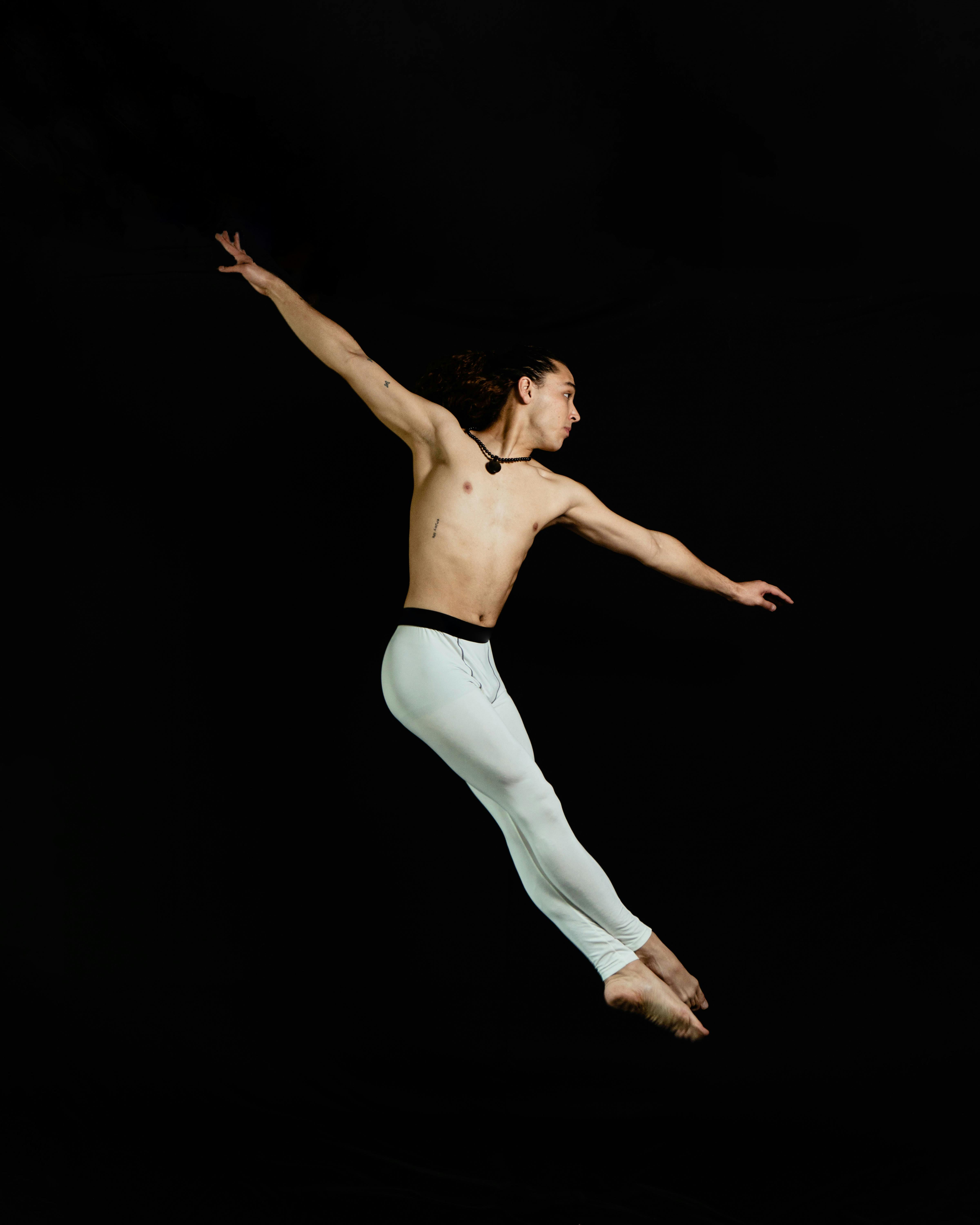
Ballet is a highly technical form of dance characterized by graceful, flowing movements, specific positions and techniques, and a rich vocabulary of steps that has evolved over centuries. More than simply a dance style, ballet represents a complete artistic discipline combining physical athleticism, artistic expression, and cultural tradition. For those new to ballet or considering their first ballet class, understanding what ballet is and where it comes from enriches your appreciation and helps you understand what you'll be learning.
The Essence of Ballet
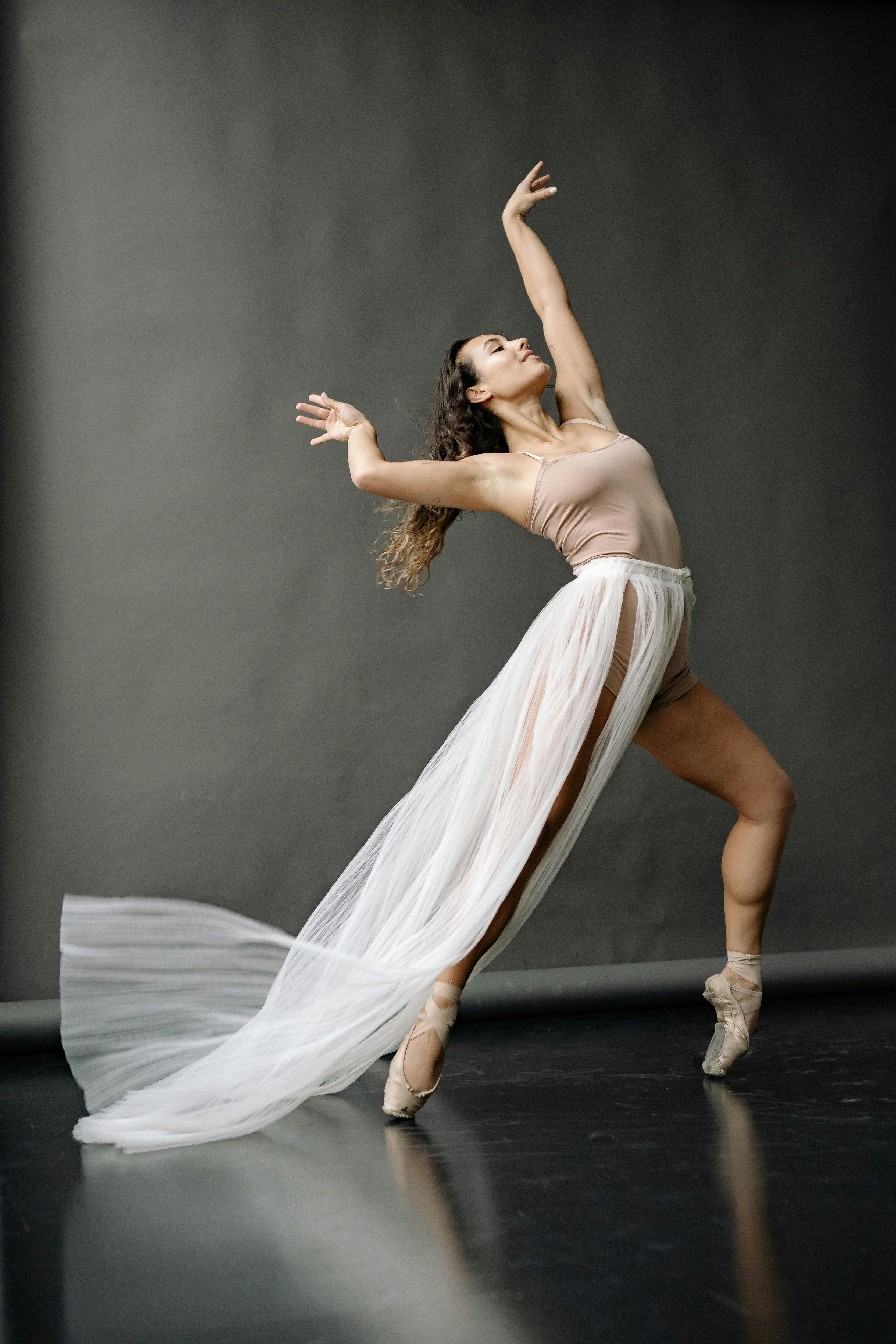
At its core, ballet is a dance form defined by specific aesthetic principles and technical requirements. Ballet dancers work to achieve fluid, seemingly effortless movement that disguises the extraordinary physical effort and control required. Movements emphasize extension, turnout (rotation of the legs from the hips), pointed feet, and graceful use of the arms and upper body.
Ballet combines athletic physicality with artistic expression. The physical demands are substantial—ballet requires strength, flexibility, balance, coordination, and endurance. Yet the artistic element is equally important. Ballet is not merely athletic display but a form of communication and expression, using movement to convey emotion, tell stories, or create abstract beauty.
The discipline has its own extensive vocabulary, traditionally in French, describing specific steps, positions, and movements. This standardized terminology allows ballet to be taught consistently across cultures and continents. A tendu is the same movement whether you're in Dublin, Paris, or Tokyo.
The History of Ballet
Understanding ballet's history helps illuminate how it became the art form we know today.
Renaissance Origins
Ballet began in the Italian Renaissance courts of the 15th century, where elaborate spectacles combined dance, music, poetry, and visual arts. These court entertainments featured choreographed dances performed by nobility, establishing dance as an aristocratic pastime requiring study and practice.
The art form migrated to France when Catherine de Medici, an Italian noblewoman, became Queen of France. She brought Italian dancing masters to the French court, where ballet flourished under royal patronage. King Louis XIV, himself an accomplished dancer, founded the Académie Royale de Danse in 1661, establishing ballet as a formal discipline requiring systematic training.
Classical Technique Develops
Through the 17th and 18th centuries, ballet technique became increasingly codified. The five basic positions of the feet were established, turnout became fundamental, and the vocabulary of steps expanded. Ballet moved from court entertainment performed by nobles to theatrical art performed by professional dancers.
Pierre Beauchamp, the first director of Louis XIV's dance academy, is credited with establishing many technical fundamentals still used today. The development of ballet notation allowed choreography to be recorded and preserved, enabling the art form to spread beyond France.
The Romantic Era
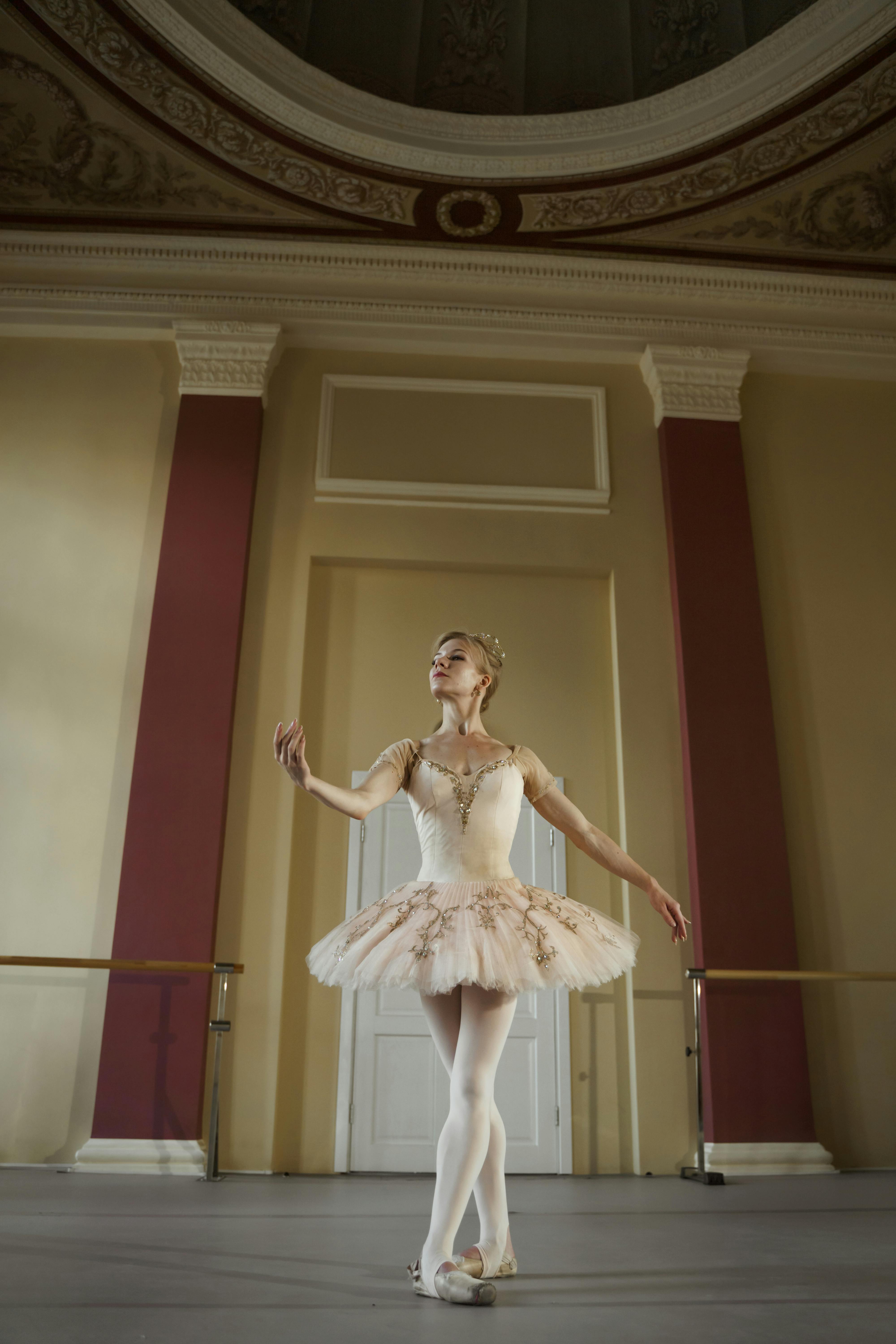
The 19th century brought the Romantic ballet era, characterized by ethereal, otherworldly themes. This period saw the development of pointe work—dancing on the tips of the toes—which allowed dancers to appear weightless and supernatural. Romantic ballets like La Sylphide and Giselle, still performed today, featured spirits, sylphs, and supernatural beings, with dancers in flowing white costumes seeming to float across the stage.
This era established many conventions still associated with ballet—tutus, pointe shoes, the image of the delicate ballerina. Female dancers became central to ballet during this period, though male dancers remained important as partners and in character roles.
Russian Ballet's Golden Age
Ballet's center shifted to Russia in the late 19th century, where Imperial patronage supported lavish productions and rigorous training systems. The Imperial Ballet Schools in St. Petersburg and Moscow produced dancers of extraordinary technical prowess and artistry.
This period produced many ballets still central to the repertoire—Tchaikovsky's Swan Lake, The Sleeping Beauty, and The Nutcracker, choreographed by Marius Petipa and Lev Ivanov. These grand classical ballets combined virtuoso dancing, elaborate staging, and memorable music into works that define classical ballet for many people.
The Russian tradition also developed influential training methods, particularly the Vaganova method, which systematically progresses students through technical skills. These methods continue to influence ballet pedagogy worldwide.
Twentieth Century and Beyond
The 20th century brought dramatic evolution to ballet. Sergei Diaghilev's Ballets Russes, touring from 1909-1929, revolutionized ballet through collaboration with avant-garde composers, artists, and choreographers. This company demonstrated that ballet could be modernist, provocative, and artistically cutting-edge, not merely a preservation of classical tradition.
George Balanchine, whose career spanned much of the 20th century, created a distinctly American ballet style emphasizing speed, athleticism, and plotless, purely musical works. His influence on ballet technique and aesthetics continues to resonate.
Contemporary choreographers have continued expanding ballet's boundaries, incorporating influences from modern dance, addressing contemporary themes, and challenging traditional aesthetics. Today's ballet encompasses everything from faithful reproductions of 19th-century classics to experimental works pushing the form's boundaries.
Ballet Technique and Fundamentals
Ballet technique rests on specific principles and positions that provide the foundation for all ballet movement.
The Five Positions
All ballet movements begin and end in one of five basic positions of the feet, established centuries ago and still fundamental today. These positions, which our guide to ballet positions explores in detail, create the foundation from which all other movements develop.
These positions emphasize turnout—external rotation of the entire leg from the hip joint. Turnout allows greater range of motion and creates the characteristic ballet aesthetic. Proper turnout comes from the hips, not just twisting the feet and knees, and develops gradually through correct training.
Barre Work
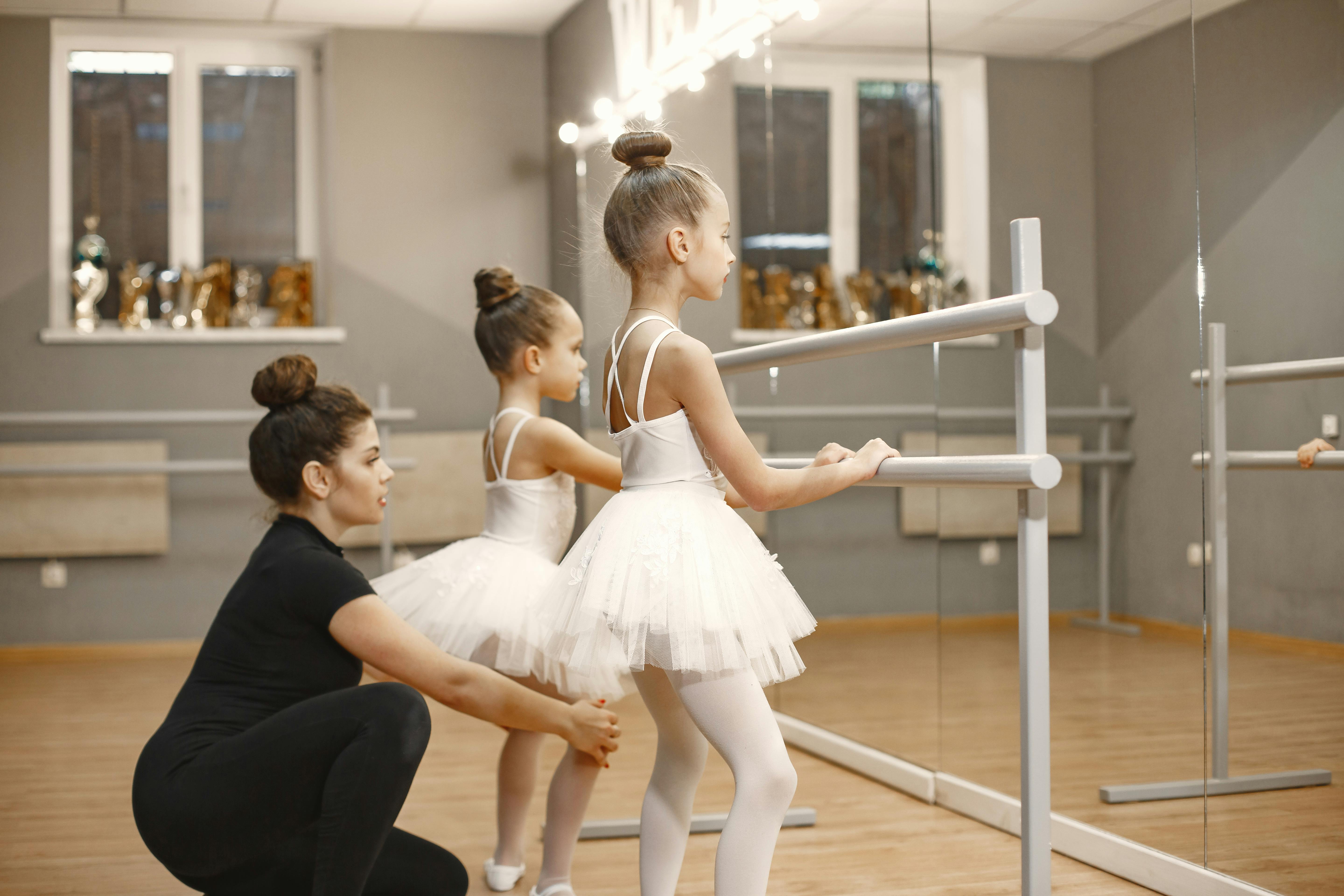
Ballet classes begin with exercises at the barre, a horizontal rail providing support. Barre work systematically warms up the body whilst practicing fundamental movements. Standard barre exercises include pliés (knee bends), tendus (stretches of the working leg), degagés (small kicks), and many others, each developing specific aspects of technique.
Barre work allows dancers to focus on proper alignment and execution of movements whilst using the barre for balance. This supported practice prepares dancers for more demanding centre work.
Centre Work
After barre work, dancers move to the studio centre for unsupported practice. Centre work applies techniques learned at the barre with the added challenge of maintaining balance independently. Centre work includes:
Adagio: Slow, controlled movements emphasizing balance, extension, and grace. Adagio develops strength and control whilst creating beautiful lines.
Allegro: Faster, more energetic sequences typically involving jumps and leaps. Allegro builds cardiovascular endurance and explosive power whilst creating dynamic, exciting movement.
Turns: Rotational movements ranging from simple single turns to complex multiple rotations. Turns require coordination, balance, and technique whilst creating visually impressive moments.
Artistry and Expression
Beyond physical technique, ballet requires artistry—the ability to perform movements not just correctly but beautifully, with appropriate musicality and emotional expression. Artistry develops alongside technique and separates merely competent execution from truly compelling dancing.
Even beginners can begin developing artistry by connecting emotionally to the music, thinking about the quality of their movements, and considering how they use their eyes and face. Ballet is not just about what you do with your legs and arms but how you embody the entirety of the movement.
Styles of Ballet
While ballet is often spoken of as a single art form, different styles and approaches exist.
Classical Ballet
Classical ballet refers to the traditional form developed primarily in the 19th and early 20th centuries. Classical ballets typically tell stories through pantomime and dance, often drawing on fairy tales, myths, or romantic narratives. The full-length classical ballets like Swan Lake, Sleeping Beauty, and Don Quixote remain central to the ballet repertoire.
Classical ballet technique emphasizes correct positioning, clean lines, and established movement vocabulary. Training in classical ballet provides the foundation for all other ballet styles.
Neoclassical Ballet
Neoclassical ballet, pioneered primarily by George Balanchine, maintains classical technique whilst often abandoning narrative structure. Neoclassical works are frequently plotless, focusing on pure movement and its relationship to music. The aesthetic tends toward speed, athleticism, and abstraction.
Neoclassical ballet expanded ballet's movement vocabulary whilst maintaining its technical foundations. This style's influence remains strong in contemporary ballet companies worldwide.
Contemporary Ballet
Contemporary ballet pushes ballet's boundaries, incorporating influences from modern and contemporary dance whilst retaining balletic foundations. Contemporary ballet often addresses modern themes, uses unconventional music or silence, and explores non-traditional movement qualities.
Many contemporary choreographers have classical ballet training but choose to expand beyond traditional constraints. Contemporary ballet keeps the art form vital and relevant by engaging with current artistic conversations and social concerns.
Ballet in Ireland
Ballet in Ireland exists alongside the country's strong traditional dance heritage. While Irish traditional dance remains culturally prominent, ballet has established its own significant presence, particularly over the past several decades.
Irish ballet schools generally follow international training systems, particularly RAD (Royal Academy of Dance) and ISTD (Imperial Society of Teachers of Dancing). This ensures Irish students receive training consistent with global standards whilst being able to pursue internationally recognized qualifications.
The Irish ballet scene has grown considerably, particularly in adult ballet participation. Cities across Ireland—Dublin, Cork, Galway, Limerick, Belfast, and Derry—now have active ballet communities with quality instruction available.
Ireland hosts regular ballet performances, with international companies touring to Irish venues and Irish choreographers creating original works. This performance scene ensures that Irish ballet students and enthusiasts can experience professional ballet without leaving the country.
Why Ballet Remains Popular
Despite its centuries-old origins, ballet continues attracting new students and audiences. Several factors explain its enduring appeal.
The physical benefits ballet provides—improved strength, flexibility, balance, and posture—appeal to health-conscious modern students. Ballet offers a comprehensive workout that challenges the body in varied ways whilst being relatively low-impact compared to activities like running.
The artistic and creative aspects satisfy needs that purely physical exercise cannot address. Ballet allows expression and creativity, offering an outlet for emotions and artistic impulses that many people's daily lives don't otherwise provide.
The ongoing challenge ensures ballet never becomes boring. Even professional dancers constantly work to improve and refine their technique. For recreational students, the continuous learning and gradual mastery provide long-term satisfaction.
The community aspect brings people together through shared passion. Ballet studios create social connections and support networks, particularly important in modern society where genuine community can be difficult to find.
Ballet for Different Populations
Modern ballet has expanded to explicitly welcome populations historically excluded or marginalized.
Adult Ballet
Adult ballet has exploded in popularity, with studios across Ireland now offering dedicated adult classes. These classes acknowledge that adult learners have different needs, capabilities, and motivations compared to children, creating appropriate instruction for grown-up students.
Adult ballet students range from former childhood dancers returning to the art to absolute beginners discovering dance for the first time in their 40s, 50s, or beyond. The adult ballet community has thoroughly debunked the myth that you must start ballet young.
Boys and Men in Ballet
While ballet has historically been associated more strongly with girls and women, particularly in popular culture, male dancers are essential to ballet. Efforts to encourage boys and men to take up ballet have increased, challenging stereotypes and celebrating male dancers' strength, athleticism, and artistry.
Irish ballet schools welcome male students and many have worked to create environments where boys feel comfortable starting ballet. Male dancers bring different physical qualities to ballet, and their presence enriches the art form.
Diverse Bodies and Abilities
The traditional narrow aesthetic of ballet—tall, thin, hypermobile bodies—has been increasingly challenged. Modern ballet, particularly at recreational levels, celebrates diverse body types and recognizes that beautiful dancing exists in bodies of all shapes and sizes.
Adaptive ballet programs for dancers with disabilities have also expanded, making this art form accessible to more people. While not yet universal, the movement toward genuine inclusivity in ballet represents important progress.
Learning Ballet Today
Modern ballet students have more resources and options than ever before. Quality ballet classes are available throughout Ireland, with teaching approaches ranging from traditional to innovative.
Many students supplement in-person classes with online resources—video tutorials, technique explanations, and even full classes available online. While nothing replaces in-person instruction, particularly for beginners needing hands-on corrections, these resources can deepen understanding.
Understanding what to wear to ballet helps beginners feel prepared, whilst learning basic ballet positions beforehand can ease first-class anxiety, though neither is necessary—teachers work with complete beginners regularly and expect students to arrive knowing nothing.
Ballet's Future
Ballet continues evolving whilst honoring its traditions. Contemporary choreographers push boundaries, creating works that would have been unimaginable to earlier generations whilst still drawing on ballet's technical foundations.
The democratization of ballet—making it accessible to people regardless of age, body type, background, or professional aspirations—represents perhaps the most significant current development. As ballet becomes genuinely inclusive, the art form gains vitality from diverse participants and perspectives.
Technology influences ballet through new creative tools, innovative ways to share and learn, and even changes in how ballet is performed and experienced. Yet the fundamental appeal—human bodies moving beautifully through space—remains timeless.
In Ireland and globally, ballet's combination of physical challenge, artistic expression, and community connection ensures its continued relevance. Whether you experience ballet as a performer or audience member, this centuries-old art form continues offering beauty, challenge, and meaning.
Frequently Asked Questions
Is ballet only for children?
No. While many people start ballet as children, adult ballet has become extremely popular, with dedicated adult classes available at most ballet schools across Ireland. Ballet offers benefits and enjoyment for people of all ages, and it's never too late to begin.
Do you need to be flexible to do ballet?
You don't need to arrive at ballet already flexible. Flexibility is one of many components of ballet, and it develops through consistent practice. Ballet also requires strength, coordination, musicality, and artistry—qualities that matter as much or more than flexibility.
What's the difference between ballet and other types of dance?
Ballet is distinguished by specific technical requirements including turnout, pointed feet, specific positions and movements, and French terminology. Ballet emphasizes extension, clean lines, and a particular aesthetic that differs from other dance forms. Ballet also provides technical foundation for many other dance styles.
How is ballet related to Irish traditional dance?
Ballet and Irish traditional dance are separate art forms with different origins, techniques, and aesthetics. However, they coexist in Ireland, and some dancers study both. Each discipline can inform and enrich the other, though they're fundamentally distinct dance traditions.
Why is ballet terminology in French?
Ballet developed as a formal discipline in France under King Louis XIV in the 17th century. The French established systematic training and codified technique, creating terminology still used today. This standardized French vocabulary allows ballet to be taught consistently worldwide.
Can you do ballet without wanting to become professional?
Absolutely. Most ballet students worldwide are recreational dancers who study ballet for enjoyment, fitness, artistic expression, or personal challenge without any intention of pursuing professional careers. Ballet offers enormous value regardless of professional aspirations, and most Irish ballet classes cater primarily to recreational students.
Is ballet difficult to learn?
Ballet is genuinely challenging, requiring coordination, strength, flexibility, and musicality that develop gradually over time. However, difficulty doesn't mean inaccessibility. With patient teaching and consistent practice, anyone can learn ballet basics and experience the joy and satisfaction of progressive improvement. The ongoing challenge is part of what makes ballet rewarding.