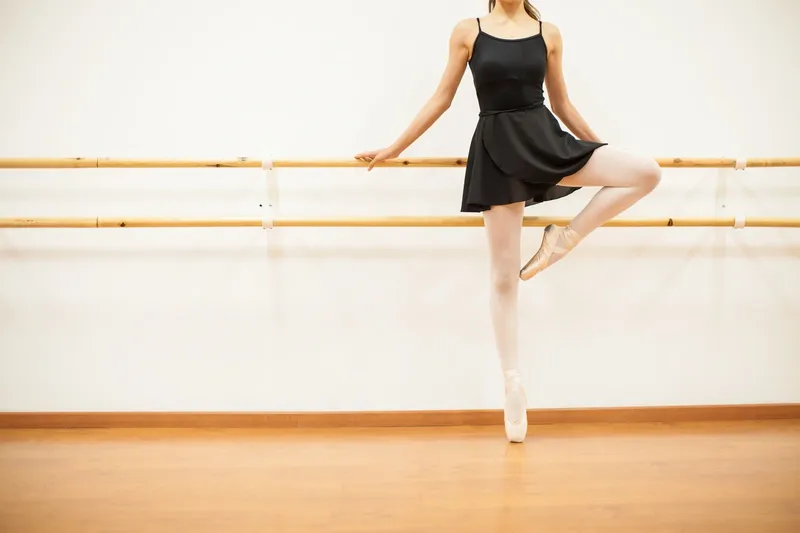
Irish dancing is one of the most physically demanding, high-impact styles of dance in the world. Between the rapid-fire footwork of hard shoe and the soaring leaps of light shoe, competitive Irish dancers are essentially elite athletes.
However, as dancers progress to championship levels (craobh grád), many hit a plateau. This is where classical ballet comes in.
Across Ireland, top-tier Irish dance teachers are increasingly recommending ballet and ballet conditioning as a "secret weapon" for their students. Here is exactly why taking a weekly ballet class can transform an Irish dancer's technique.
1. Perfecting the "Toe Point" (Foot Articulation)
In Irish dance, a beautifully arched foot and a sharp toe point are non-negotiable for high marks.
Ballet trains the feet meticulously. Through repetitive barre exercises like tendus and dégagés, dancers learn how to articulate through the metatarsals and strengthen the intrinsic muscles of the foot. This translates directly to a sharper, stronger point in soft shoes and better control in heavy shoes.
2. Core Strength and the "Rigid" Upper Body
A hallmark of Irish dance is the completely still, rigid upper body. Ironically, holding your arms pinned to your sides while your legs do explosive jumps requires immense core strength, not just stiff shoulders.
Ballet focuses heavily on posture, alignment, and core stability. A ballet class trains the dancer to engage their abdominals and pull up through the spine, which naturally anchors the upper body and makes the intense jumps of Irish dance appear effortless.
3. Turnout and Hip Flexibility
Irish dance requires the feet and legs to be turned out (pointing outwards) at all times. Many young dancers struggle with this, trying to force the turnout from their knees or ankles, which leads to severe injuries.
Classical ballet is the global foundation of turnout technique. Ballet teaches dancers how to properly rotate their legs from the hip sockets. Improving natural hip flexibility at the ballet barre allows an Irish dancer to cross their feet tighter and jump higher with safe, correct alignment.
4. Injury Prevention and Longevity
The repetitive impact of landing jumps on hard floors takes a massive toll on an Irish dancer's shins, knees, and ankles.
Ballet acts as the ultimate conditioning tool. The slower, controlled movements of ballet—particularly pliés—teach the body how to absorb shock correctly. By strengthening the stabilizing muscles around the ankles and knees, ballet drastically reduces the risk of shin splints and stress fractures.
How to Find the Right Class
You do not need to quit Irish dance to do ballet. In fact, just one hour of ballet a week is enough to see a massive improvement on the feis stage!
When looking for a class, search for:
Classical Ballet: Standard graded classes (RAD or ISTD) to build foundational technique.
PBT (Progressing Ballet Technique): A specific conditioning class using exercise balls that is incredibly popular for cross-training.
Acro-Dance: Great for building overall flexibility and core strength.
Ready to find a class? Use the Ballet.ie directory to [Search for Ballet Classes Near You] and give your dancer the edge they need!