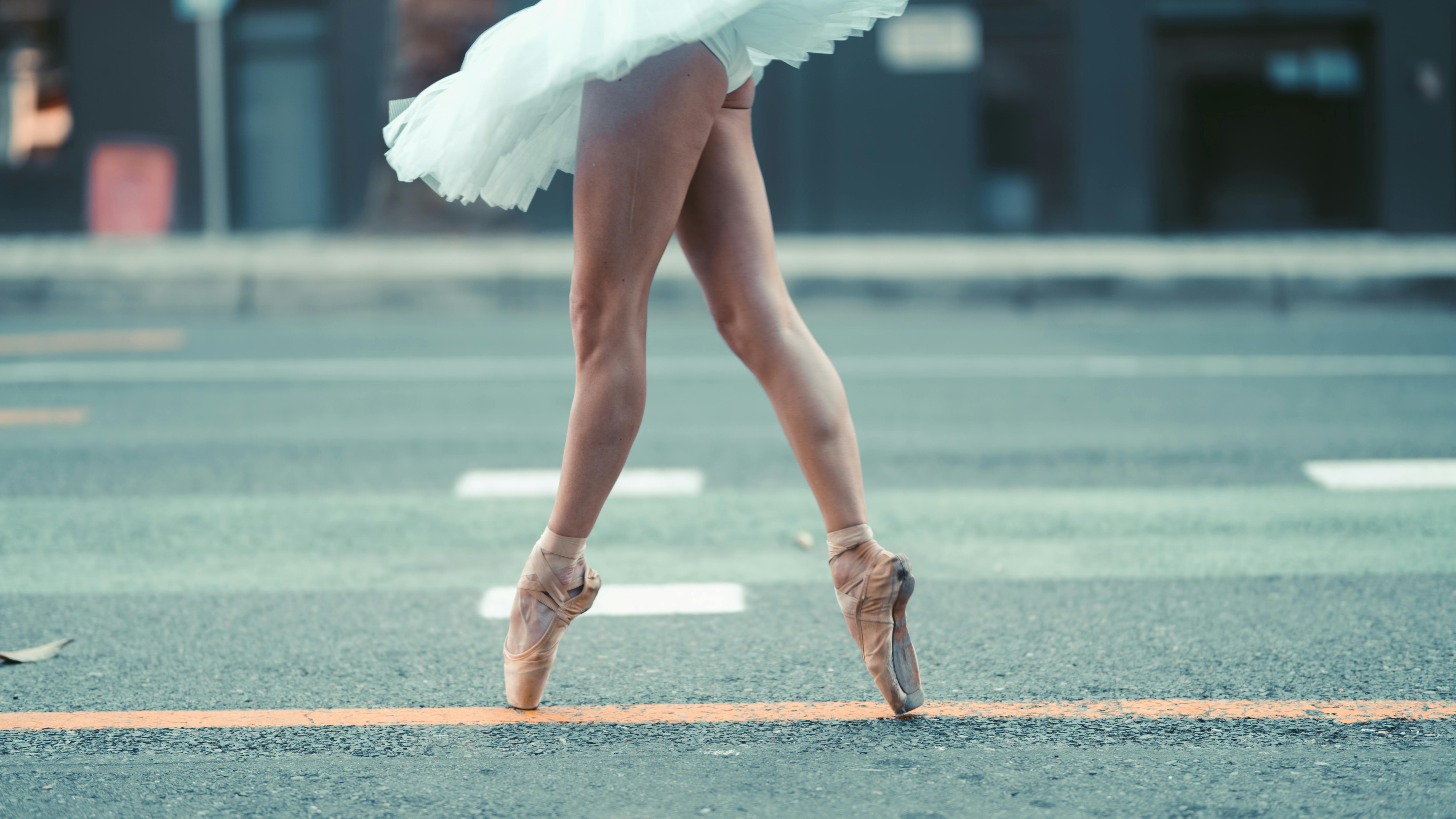
For serious young dancers in Ireland, the journey from a local studio to a professional company can be confusing. While full-time classical ballet conservatoires are limited on the island, a robust system of intermediate 'stepping stones' exists.
This guide provides a comprehensive directory of the essential pre-vocational courses, Post-Leaving Cert (PLC) colleges, youth companies, and third-level degrees available to dancers in Ireland and Northern Ireland.
Note: Many of the institutions listed below hold annual audition rounds. View our Latest Auditions Page to see who is currently accepting applications.
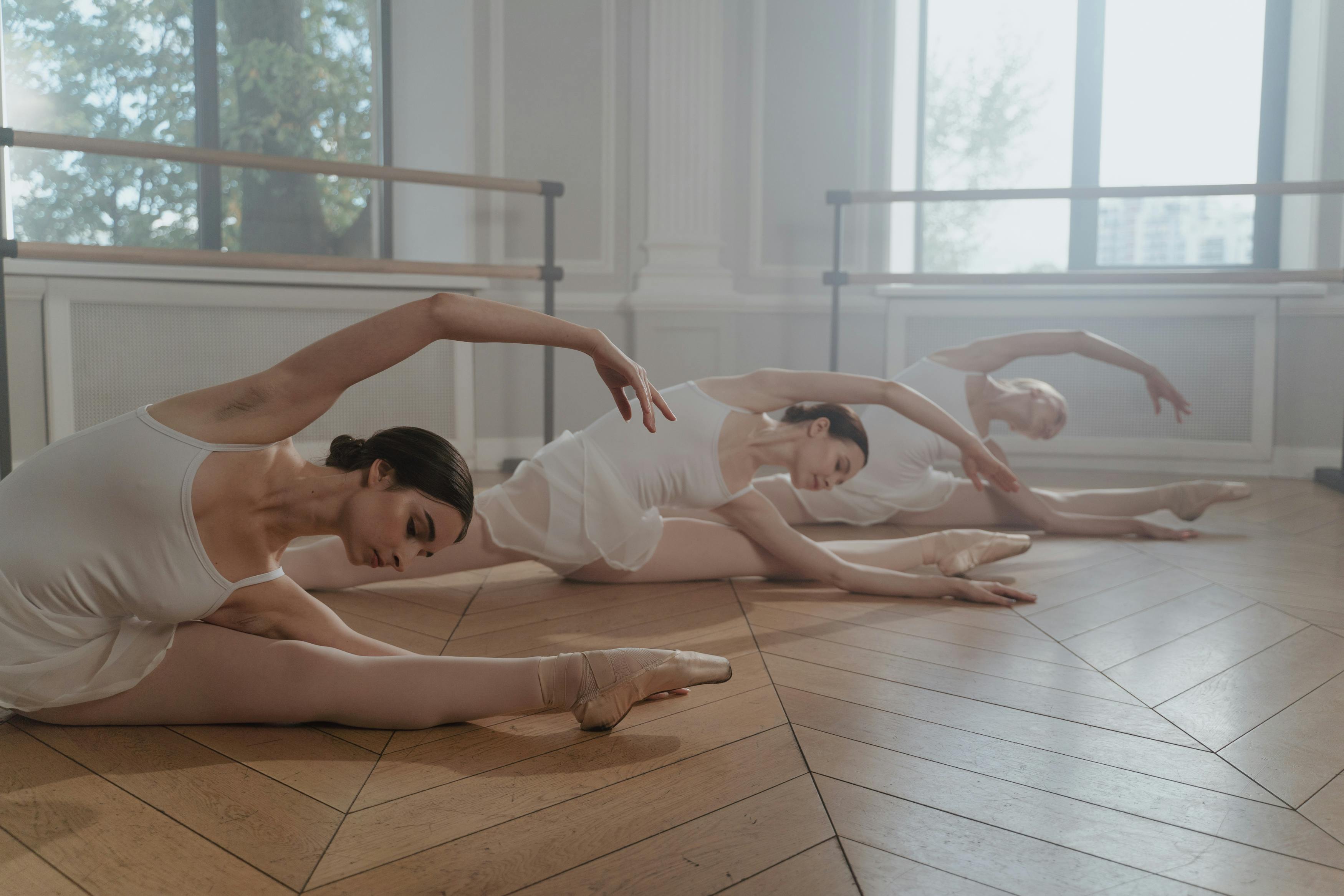
1. Pre-Vocational & PLC Courses
Pre-Vocational (PLC) courses are intensive, often 1 or 2 year programs taken after the Leaving Cert (or transition year). They are a crucial 'bridge' for Irish dancers, providing the full-time hours needed to prepare for major vocational college auditions.
Leading Courses
College of Dance (Dublin): A highly prestigious 2-year intensive program preparing students specifically for auditions to major UK/European vocational schools.
Inchicore College of Further Education (Dublin): Offers QQI Level 5 & 6 Dance Studies, focusing on building technical foundations and versatile performance skills.
Bray Institute of Further Education / BIFE (Wicklow): Offers a well-regarded Pre-University Dance course.
Belfast Metropolitan College (Belfast, NI): Offers the Level 3 Extended Diploma in Performing Arts (Dance)-the standard vocational route for dancers in Northern Ireland.
2. Youth Dance Companies
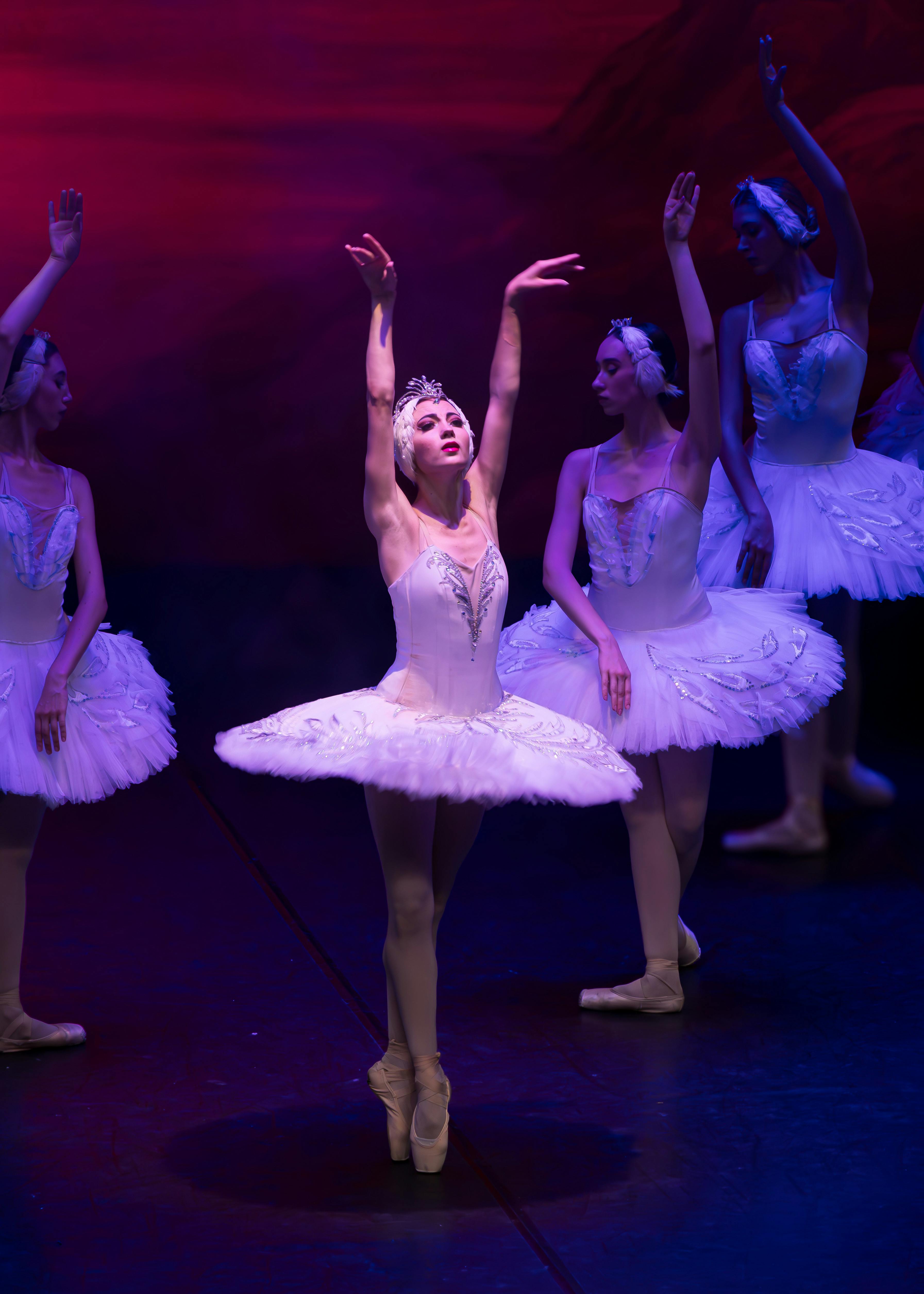
Youth companies offer a taste of professional company life, with weekly rehearsals and seasonal performances. Joining a company is the best way for serious dancers to build their CV and stage experience without leaving their local school.
Leading Companies
Irish National Youth Ballet (INYB): Based in Dublin, INYB is the premier classical youth company on the island. They hold annual open auditions for dancers from age 11.
High Points Youth Ballet CIC: Northern Ireland's premier Youth Ballet Company, offering Vaganova-based training and full-length classical performances.
Dublin Youth Dance Company (DYDC): Focus is primarily on contemporary dance, which is crucial for creating versatile, intelligent performers.
3. Associate Programs & Stage Academies (Cross-Training)
While classical ballet remains the ultimate foundation for any dancer, the reality of the modern performing arts industry is that versatility is non-negotiable. If you are aiming to audition for elite UK conservatoires (such as Laine Theatre Arts, Bird College, or Urdang), being a pure classical dancer is rarely enough. Today’s casting directors are looking for dancers who have pristine ballet technique, but who can also seamlessly transition into Jazz, Contemporary, Commercial dance, and Vocal performance.
This is where Ireland’s elite Stage Academies and Associate Programs come into play. Dedicated dancers will often maintain their core classical grades at their local ballet school, while simultaneously joining a weekend academy to cross-train.
Leading Associate Programs & Academies
Professional Academy of Dance NI (PAD NI): A premier training ground in Greater Belfast offering rigorous pre-vocational and associate-level coaching to prepare students for UK conservatoires.
Monica Loughman Elite Ballet: Ireland’s premier centre for classical Russian ballet training in Dublin. They offer highly specialized pre-professional coaching and associate extension programs using the rigorous Vaganova method, perfect for dancers preparing for international ballet auditions.
Ballet Boost Ireland: A highly prestigious associate training program operating out of DanceHouse, Dublin, providing elite supplementary classical coaching.
Ryan Jenkins Associates: An intensive, touring commercial-dance associate program focusing heavily on industry readiness for stage and screen.
The Golden Rule: Talk to Your Ballet Teacher
If you are considering adding an associate program or commercial academy to your training schedule, your very first step should be a conversation with your primary ballet teacher. A good teacher will always encourage a dedicated student to expand their horizons and cross-train, but it must be done safely to avoid burnout. Work together with your teacher to build a supplementary training schedule that supports, rather than conflicts with your core classical development.
4. Third-Level Degree Options
For dancers who want to balance their academic education with high-level dance training, these university courses offer recognised degrees (BA and MA) in dance.
Leading Universities
University of Limerick (Irish World Academy): Offers the prestigious BA in Voice and Dance and an MA in Contemporary Dance Performance.
Ulster University (Magee Campus, NI): Offers Drama and Performing Arts degrees that include strong dance training modules.
The Next Step: UK Conservatoires
To secure a contract in a major classical ballet company, most serious Irish students eventually complete a 3-year Degree or Diploma at a vocational school abroad, starting at age 16 or 18. The most common target schools for Irish dancers include Central School of Ballet, English National Ballet School, London Studio Centre, and Ballet Theatre UK.
Frequently asked questions
At what age should a dancer audition for a youth ballet company?
Most youth companies, such as the Irish National Youth Ballet, accept dancers from around 10 to 11 years old, provided they have a strong foundation in classical technique from their local school.
Do I need a degree to be a professional ballet dancer?
No, a traditional university degree is not required. However, most professional dancers complete a 3-year vocational diploma or degree at a recognised conservatoire in the UK or Europe.
Last checked: 22 March 2026